If you are thinking about buying in Mission, you are probably wondering what daily life really feels like once the keys are in your hand. New home communities here are not just about fresh finishes and modern floorplans. They also shape how you handle school mornings, errands, outdoor time, and your drive across the Rio Grande Valley. This guide walks you through what to expect in Mission’s newer neighborhoods so you can picture the routine before you buy. Let’s dive in.
What New Home Living Looks Like
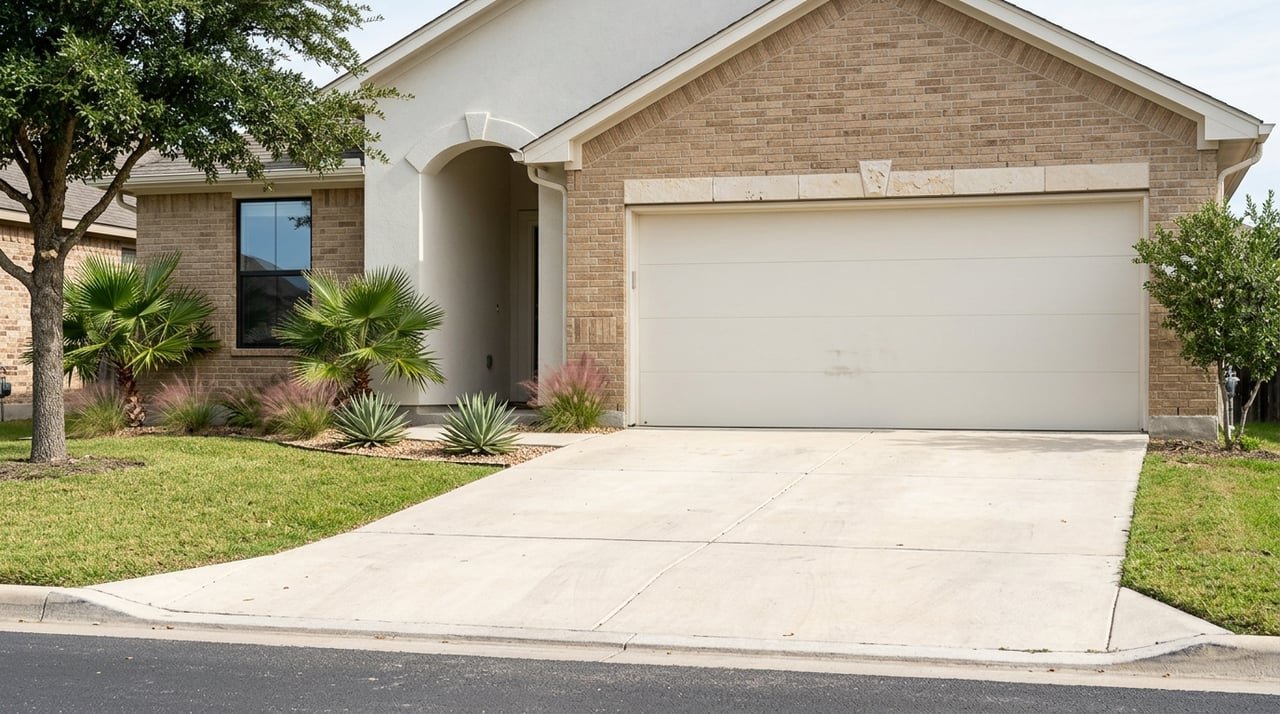
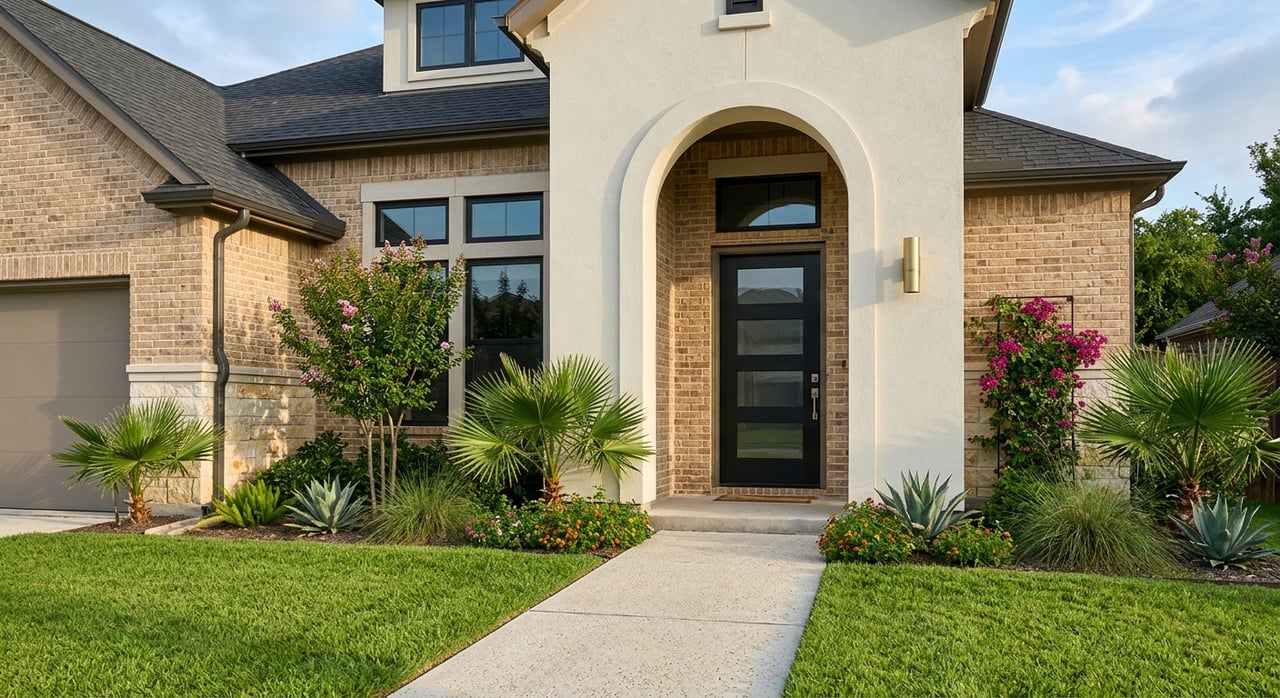
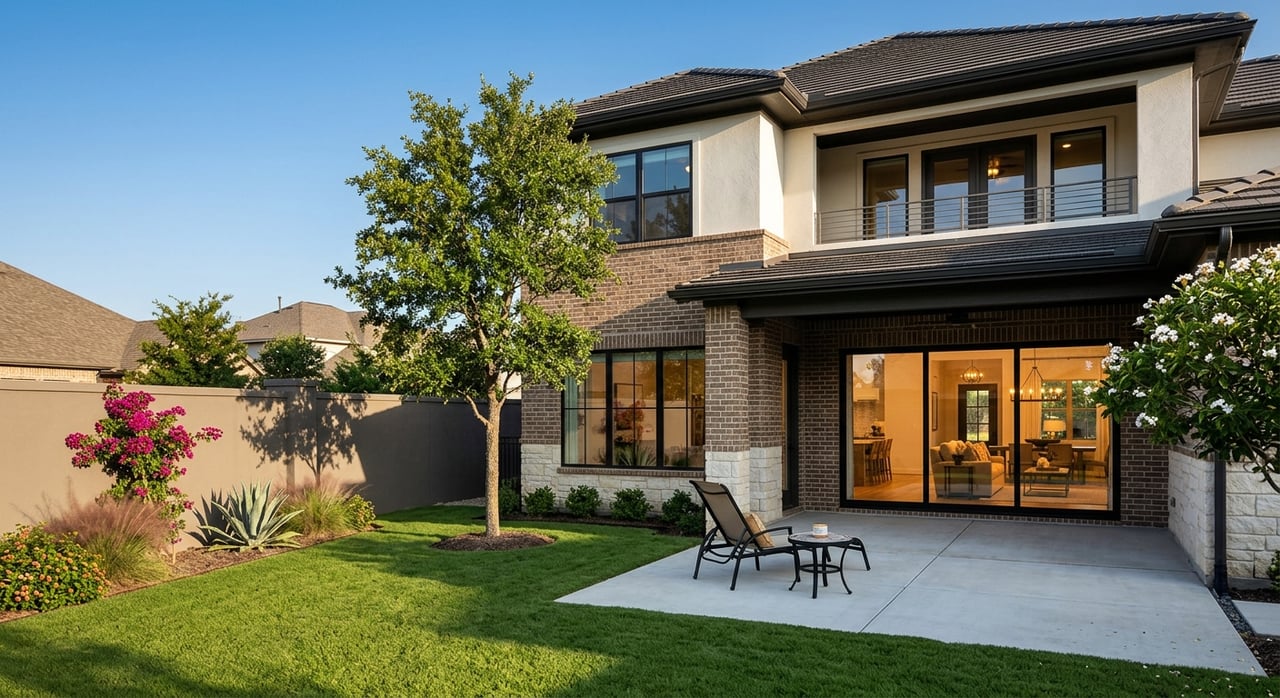
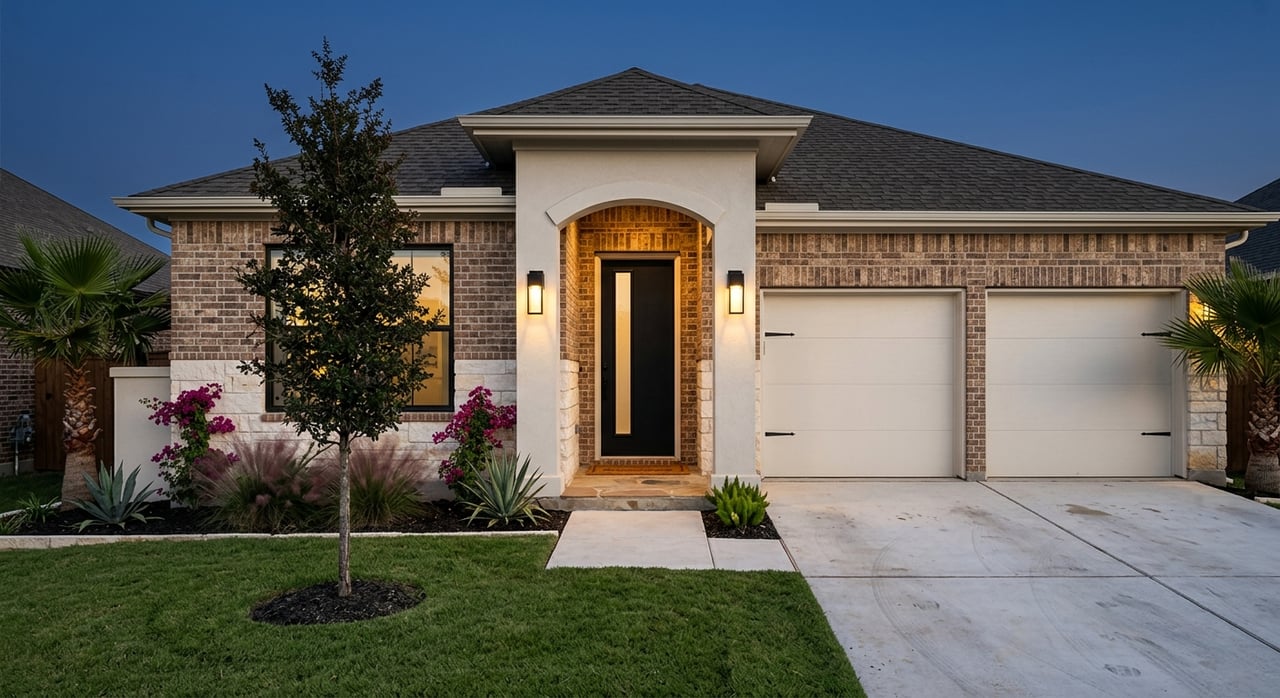
Mission’s newer home communities offer more variety than many buyers expect. Instead of one standard neighborhood style, you will find a mix of single-family homes, townhomes, active-adult options, and specialty home types inside larger planned developments.
One of the biggest examples is Bentsen Palm, a large master-planned conservation community with multiple neighborhoods. Within that umbrella, the housing mix includes family-oriented single-family sections, a 55+ neighborhood, and RV-port or coach-port home options. El Milagro adds a different feel by combining single-family homes and townhomes around a town center.
That means your everyday experience can vary based on the neighborhood you choose. Some areas lean more toward shared amenities and community design, while others may feel more focused on flexible home types and convenience.
Home Sizes and Yard Space
If you are comparing new construction in Mission, home size is one of the first things you will notice. Current listings show a broad range, from single-story 3-bedroom homes around 1,234 to 1,496 living square feet to larger 2-story 4- to 5-bedroom plans around 2,328 to 2,960 square feet. In Tanglewood, some homes extend past 3,000 square feet.
Lot sizes also vary, but one of the clearest published examples comes from Sendero Phase II. There, 33 lots average about 6,000 to 7,000 square feet. For many buyers, that means a yard that is manageable without giving up outdoor space completely.
In practical terms, newer Mission communities often balance private yard space with neighborhood amenities. So instead of chasing the biggest lot, you may find yourself weighing the value of trails, pools, gathering spaces, or parks just outside your door.
Community Style and Day-to-Day Rules
Newer neighborhoods in Mission can feel more structured than older parts of town. In Sendero, for example, the CC&R summary requires ARC approval for exterior changes and includes rules on landscaping, trash, visible boats or campers, and overnight on-street parking.
For some buyers, that kind of setup is a plus. It can help create a more uniform look along the streets and a more predictable neighborhood feel. For others, it is important to know up front that there may be more guidelines around how the exterior of the home is maintained and used.
This is one reason daily life in a new community often feels a little different. You are not just buying a house. You are also choosing a certain level of neighborhood structure.
Outdoor Time Is a Big Part of Life
A major draw in Mission’s new home communities is access to outdoor recreation. Bentsen Palm is especially centered on that idea, with builder materials highlighting nearby parks and an extensive trail network.
That outdoor focus carries into the broader city as well. Mission says it maintains 25 parks, 2 pools, and the Mission Hike and Bike Trails. Parks such as Astroland Park and Bannworth Park add features like playgrounds, picnic shelters, walking or jogging trails, a basketball court, a soccer field, and a dog park.
For many households, this shapes the rhythm of the week. After work or school, it is easy to picture an evening walk, playground stop, or quick park visit becoming part of your normal routine.
Weekends Can Feel Close to Nature
If you enjoy outdoor weekends, Mission offers more than neighborhood amenities. Bentsen-Rio Grande Valley State Park gives the area a strong nature component, with about 360 bird species, 7 miles of trails, and tram tours.
The park also has a no-private-cars setup, which changes the experience. Instead of feeling like a drive-through stop, it feels more like a true outing where walking, observing wildlife, and slowing down are part of the appeal.
That matters if you want more than a house and a commute. In Mission, newer communities often sit near recreation options that make free time easier to use well.
Amenities Vary by Neighborhood
Not every new home community in Mission offers the same amenities, so it helps to look at each one through the lens of your routine. Some neighborhoods are designed for active adults, while others are more centered on households looking for pools, sports areas, and outdoor gathering spaces.
Retama Village is the clearest 55+ option in the current Mission lineup. Its amenities include a lounge, library, kitchen, fitness center, sports courts, two heated pools, and rooms for billiards, cards, and crafts. It also offers courtyard-entry homes, RV-port homes, RV casitas, and supersites.
Tanglewood has a different feel. It is more family-centered, with a large pool, children’s splash pool, palapas, BBQ areas, basketball courts, a soccer field, and tree-lined streets.
When you tour communities, it helps to ask a simple question: Will we actually use these amenities during a normal week? The best fit is usually the one that supports your real routine, not just the one with the longest feature list.
Schools and Daily Convenience
For many buyers, school access is part of what makes a neighborhood practical. In this part of Mission, community materials for Sendero and Bentsen Palm reference nearby IDEA schools as well as La Joya ISD campuses.
That does not tell you everything about a school experience, but it does help explain why these neighborhoods are often framed around family routines. Shorter trips for drop-off, pickup, and after-school activities can make daily logistics simpler.
If you are planning around children’s schedules, this is worth paying attention to. In everyday life, convenience often matters just as much as the house itself.
Errands Are Often Expressway-Based
One of the most useful things to understand about Mission is how errands tend to work. Shopping is concentrated along the expressway corridor, with local boutiques and national retailers such as Target, H-E-B, Ross, TJ Maxx, Burlington, Kohl’s, and Boot Jack located along or near E Expressway 83 and Bryan Road.
That setup can make daily errands feel efficient. Instead of driving across several parts of town, many buyers find that grocery runs, household shopping, and basic weekly stops can happen in one main area.
Dining follows a similar pattern. The Mission Chamber highlights options such as Loretto Bistro, La Fogata Restaurant & Piano Bar, Ranch House Burgers, Ana Liz Taqueria, Jitterz Coffee Bar, and Coffee Artista, giving you a mix of casual meals, regional flavors, and coffee stops close to newer home corridors.
El Milagro Shows a Built-In Convenience Model
Among newer communities, El Milagro stands out for how directly it ties housing to convenience. It is described as a neighborhood where single-family homes and townhomes connect with parks, gathering spaces, a waterfront boardwalk, an amphitheater, and a town center with groceries and major retailers.
That kind of layout can change how your week feels. It may reduce how often you need to leave the immediate area just to handle basics, and it can make the neighborhood feel more self-contained.
For buyers who value walkable gathering spots and built-in errands, this is one of the clearest examples in Mission’s new-home story.
Commuting Usually Means Driving
Daily life in Mission’s newer neighborhoods is still largely car-based. Community materials describe Bentsen Palm as minutes from McAllen, and Tanglewood highlights easy access to Expressway 83 and the Anzalduas International Bridge.
TxDOT’s US 83 Regional Corridor Study also points to the broader focus on mobility, safety, and connectivity along this route. That supports what many local buyers already expect, which is that the expressway plays a major role in work commutes, shopping trips, and cross-valley travel.
In real life, that often looks like this:
- Morning school drop-off
- A commute toward McAllen or another RGV job center
- A grocery or coffee stop on the way back
- Evening time at the pool, trails, park, or neighborhood amenity area
If that pattern sounds familiar, Mission’s newer communities may feel like a natural fit.
Who These Communities Fit Best
Mission’s new home communities can work for several types of buyers because the housing mix is broad. You will find compact starter homes, larger move-up options, active-adult neighborhoods, and even townhome choices in certain developments.
That makes Mission worth a closer look if you want:
- A newer home with modern layouts
- Access to parks, trails, or pools
- A community with more defined neighborhood standards
- Convenient retail near the expressway
- Options ranging from first-home size to larger move-up plans
- A 55+ neighborhood with dedicated amenities
The key is matching the neighborhood to the life you actually live. Some buyers want low-maintenance convenience, while others care more about space, recreation, or a specific community setup.
Why Lifestyle Matters in Your Search
It is easy to focus only on square footage, finishes, or price. But when you are comparing new homes in Mission, the better question is often how the neighborhood will support your everyday life.
Will your errands be easier? Will the outdoor spaces get used? Will the rules feel helpful or restrictive? Will the drive to work, school, or activities fit the rhythm you want?
Those are the details that turn a new house into a smart long-term choice. If you want help sorting through Mission’s communities, floorplans, and builder options, Mauricio Saldana can help you compare what fits your goals and your routine.
FAQs
What types of homes are available in Mission’s new home communities?
- Mission’s newer communities include single-family homes, townhomes in some developments like El Milagro, active-adult options such as Retama Village, and specialty RV-port home types in parts of Bentsen Palm.
How much yard space do newer Mission homes usually have?
- Yard sizes vary by neighborhood, but one published example is Sendero Phase II, where lots average about 6,000 to 7,000 square feet.
Is there a 55+ new home community in Mission, TX?
- Yes. Retama Village is positioned for active adults 55+ and includes amenities such as heated pools, fitness space, sports courts, and social rooms.
Are townhomes part of Mission’s new construction market?
- Yes. El Milagro is a clear example of a newer Mission community that includes both townhomes and single-family homes.
What is everyday recreation like near Mission’s new neighborhoods?
- Many newer communities are close to parks, pools, trails, and outdoor spaces, and the city maintains 25 parks, 2 pools, and the Mission Hike and Bike Trails.
What do errands and shopping feel like in Mission, TX?
- Many everyday errands are centered along the expressway corridor, where buyers can find grocery stores, national retailers, and dining options in a relatively concentrated area.
Do Mission’s new home communities have neighborhood rules?
- Some do. For example, Sendero’s published CC&R summary includes rules about exterior changes, landscaping, trash, parking, and visible boats or campers.
What does commuting from Mission’s new communities usually look like?
- Daily life is often car-based, with many trips oriented around Expressway 83 for commuting, shopping, and travel to nearby job centers such as McAllen.