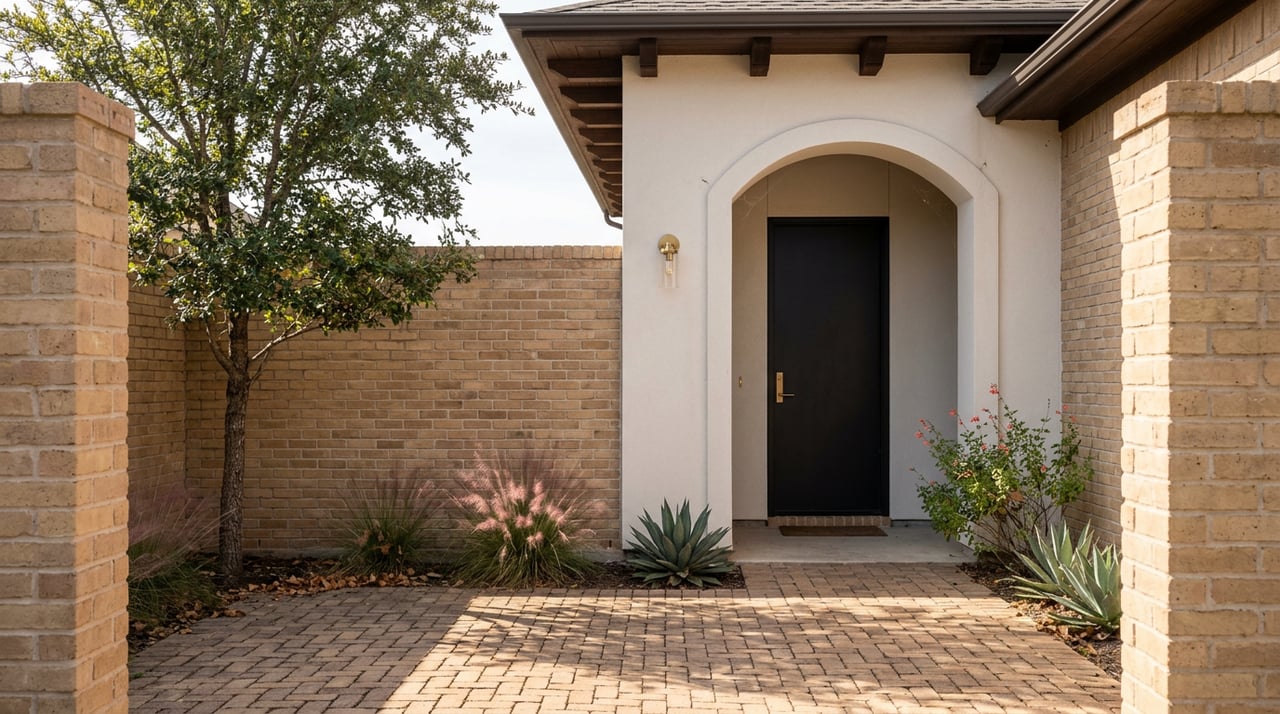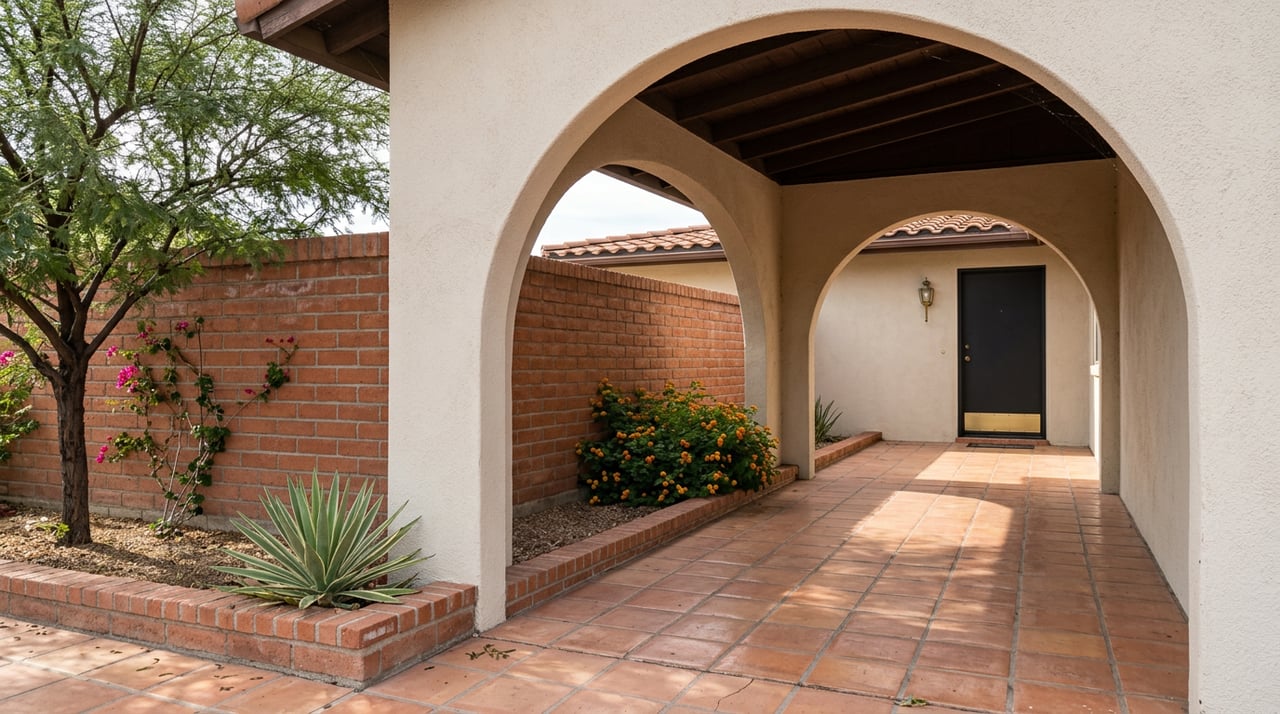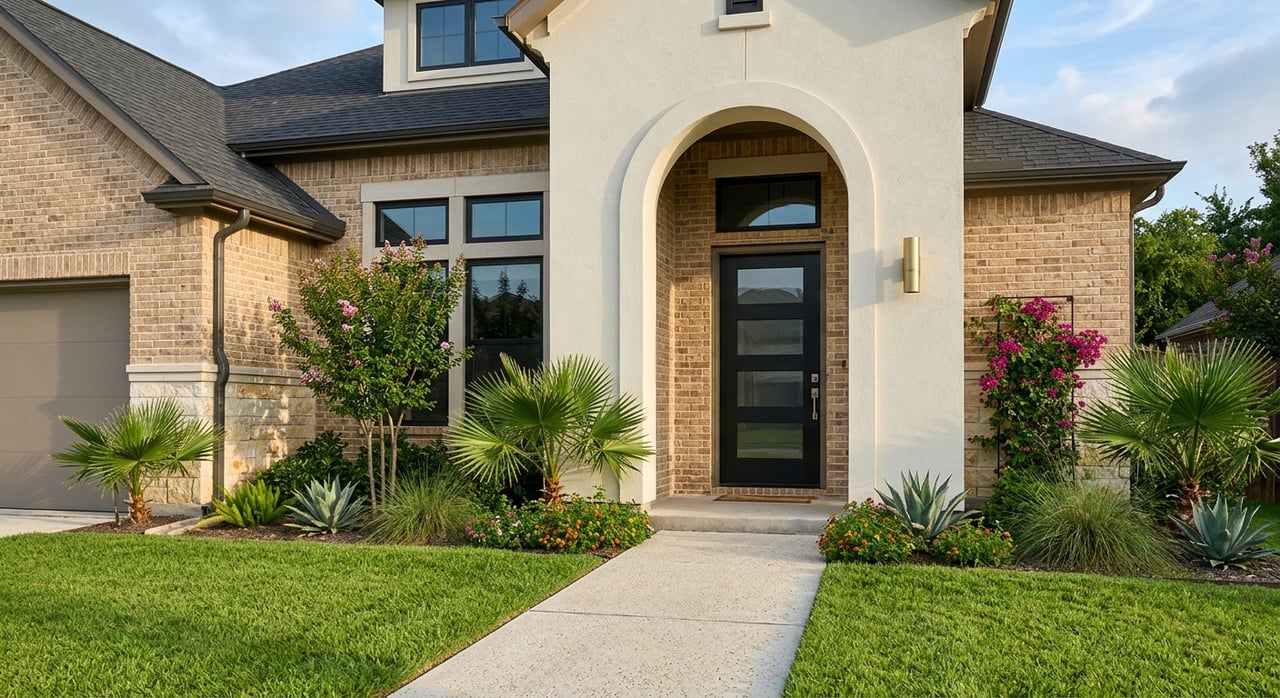
Buying your first home in Pharr can feel exciting and overwhelming at the same time. You want a payment that fits your budget, a home that meets your needs, and a process that does not surprise you halfway through. This roadmap will help you understand what to expect in Pharr, how to prepare financially, and how to move from browsing to closing with more confidence. Let’s dive in.
Understand the Pharr market
Pharr gives many first-time buyers a more approachable price point than much of Texas. Census data shows a median owner-occupied home value of $154,800 in Pharr, and a large share of owner-occupied homes fall below $200,000.
At the same time, current market trackers suggest many active shoppers may see asking prices in the low-$200,000s. Zillow reports an average home value of $165,444 and a median list price of $224,833, while Redfin reports a median sale price of $191,000 and Realtor.com shows a median listing price near $220,000.
That gap matters because it helps set realistic expectations. You may still find homes below $200,000, but many first-time buyers in Pharr will likely search in a range closer to the low-$200,000s depending on condition, location, and whether the home is resale or new construction.
What local housing looks like
Pharr is largely a single-family market. Census data shows single-unit structures make up 59% of the housing stock, and owner-occupied homes account for 56% of occupied units.
For you, that means the search is not one-size-fits-all. You may come across established resale homes, newer construction, some multi-unit properties, and some mobile-home stock, so it helps to compare each option carefully instead of assuming every listing fits the same pattern.
Set a budget beyond price
One of the biggest first-time buyer mistakes is focusing only on the sale price. In Texas, your monthly cost can also be shaped in a big way by property taxes, insurance, and any HOA dues.
Texas property taxes are set by local taxing units such as counties, school districts, cities, and others. The City of Pharr’s 2025 tax-rate history shows a city tax rate of 0.7676 per $100 of valuation, but that is only one part of the full property tax picture.
Because tax bills vary by address, you should estimate taxes using the exact home you want to buy. Looking at taxes by city name alone can lead to a monthly payment estimate that is too low or too high.
Do not overlook homestead savings
Texas law currently provides a $140,000 school-district residence homestead exemption. Some local taxing units may also offer additional exemptions.
After closing, once your home qualifies as your residence homestead, applying for that exemption may reduce your taxable value. That can make a meaningful difference in your long-term housing costs.
Get mortgage-ready early
Before you tour too many homes, get preapproved. A preapproval helps you understand your price range, shows sellers you are serious, and gives you a clearer picture of your likely monthly payment.
The CFPB recommends getting at least three preapprovals. That gives you a better chance to compare terms, rates, and lender communication before you commit.
You should also remember that preapproval is not a final loan commitment. Preapproval letters can expire in 30 to 60 days, so timing matters if your search takes longer than expected.
Compare Loan Estimates carefully
Once you have an accepted offer, lenders provide official Loan Estimates. This is where the details become more useful than the headline interest rate.
A Loan Estimate shows the total monthly payment and includes costs such as property taxes, insurance, and HOA dues when applicable. Comparing these side by side can help you see which loan actually fits your budget best.
Look into Texas buyer assistance
If you are buying your first home, state-level assistance may be worth exploring. TDHCA’s My First Texas Home program offers down payment assistance and 30-year low-interest mortgage rates for eligible first-time homebuyers.
Approved homebuyer education is required to qualify for TDHCA assistance. TDHCA’s HANC program may also be an option for eligible low-income buyers seeking new construction, depending on income limits and local availability.
Choose resale or new construction
In Pharr, first-time buyers may have a real choice between older resale homes and newer construction. Each path can work well, but the right fit depends on your budget, timeline, and comfort with repairs or builder timelines.
Resale homes may offer more established surroundings and a wider range of price points. New construction may offer modern layouts, newer systems, and fewer near-term repair concerns, though pricing and timelines can differ.
Why new construction needs extra review
If you are considering a newly built home, remember there is an added city-process layer. Pharr’s Development Services department handles zoning, land use, subdivision regulations, building safety, permits, and certificate-of-occupancy review.
That does not mean new construction is harder in every case. It simply means you should understand that the process may involve city approvals and builder timelines that do not usually apply in the same way to an existing resale home.
Build a smart offer strategy
In any market, list price is only the starting point. Recent Pharr market trackers suggest there may be some room for negotiation, with Redfin reporting homes sell about 3% below list on average and Realtor.com reporting a 3.03% below-asking sale-to-list ratio in May 2026.
That does not mean every home should get a low offer. It means your offer should be based on the home’s condition, comparable sales, and the strength of your financing rather than the asking price alone.
What makes an offer stronger
A strong first-time buyer offer often includes:
- A current preapproval
- A realistic price based on market data
- Clear timelines
- Enough flexibility for inspection and financing steps
- Clean paperwork and quick communication
If a home is priced well and shows strong interest, the best strategy may be a clean and credible offer rather than just aiming for the biggest discount.
Understand the option period and disclosure
In Texas, sellers of previously occupied single-family homes must use the Seller’s Disclosure Notice. This gives you important information about the property before closing.
You will also likely hear about the option period. TREC explains that the option period is negotiable and is commonly used so you can inspect the property and request repairs or other contract changes.
This part of the process matters because it gives you time to verify what you are buying. For a first-time buyer, that can reduce stress and help you make decisions with better information.
Keep inspection and appraisal separate
Many first-time buyers mix these up, but they serve different purposes. The inspection is about the home’s condition and potential repair risks.
The appraisal is about the lender’s opinion of value. Both are important, but they are not interchangeable.
The CFPB recommends scheduling an independent home inspection as soon as possible. If issues come up, you may use the option period to request repairs, ask for changes, or decide how to move forward.
Review title and closing details closely
Closing day feels like the finish line, but it still requires careful review. In Texas, title insurance is standardized in key ways.
According to TDI, policy language is the same no matter which title company you use, and title insurance rates are set. Buyers can choose any title company, though closing fees can still vary.
Check the legal description
Before closing, TDI says buyers should check the title policy’s legal description against the survey and the earnest-money contract. That step helps confirm the property details match across the transaction documents.
It is a simple review, but an important one. Small document mismatches are much easier to catch before signing than after closing.
Protect yourself from wire fraud
TDI also warns that real estate transactions can be targets for wire-transfer fraud. Before sending any funds, verify payment instructions directly with the title agent.
This is one of those steps you should never rush. A quick direct confirmation can help protect your money at a critical point in the transaction.
Plan for the first month after closing
Your job is not completely done when you get the keys. One of your first after-close tasks should be applying for your residence homestead exemption once the property qualifies.
That step may help lower your taxable value under the school-district homestead exemption, and some local taxing units may offer additional exemptions. It is a practical way to manage your long-term ownership costs from the start.
Your Pharr roadmap in simple steps
If you want the process in a simple order, here is the roadmap:
- Review your budget with taxes and insurance in mind
- Get at least three preapprovals
- Compare loan options and likely total monthly payment
- Explore buyer assistance programs if eligible
- Decide whether resale or new construction fits you better
- Write offers based on condition, comparable sales, and financing strength
- Use the option period to inspect and negotiate if needed
- Review title, survey, and closing instructions carefully
- Verify all wire instructions directly with the title company
- Apply for your homestead exemption after closing
Buying your first home in Pharr does not have to feel confusing when you break it into clear steps. With the right plan, realistic numbers, and steady guidance, you can move through the process with more clarity and less stress.
If you want help comparing resale homes, exploring new construction, or building a smart first-time buyer game plan in Pharr, connect with Mauricio Saldana.
FAQs
What price range should first-time buyers expect in Pharr TX?
- Pharr has a median owner-occupied home value of $154,800, but current listing and sales data suggest many buyers may shop in the low-$200,000s depending on the home and market conditions.
Why do property taxes matter so much for first-time buyers in Pharr TX?
- Property taxes are set by local taxing units and can significantly affect your monthly payment, so you should estimate taxes by exact address rather than by city name alone.
How many mortgage preapprovals should first-time buyers get in Texas?
- The CFPB recommends getting at least three preapprovals so you can compare loan options, costs, and lender terms more effectively.
What is the option period in a Texas home purchase?
- The option period is a negotiable timeframe commonly used to inspect the property and request repairs or other contract changes before moving forward.
Is a home inspection the same as an appraisal for a Pharr home purchase?
- No. An inspection focuses on the home’s condition and repair risks, while an appraisal focuses on the lender’s opinion of the property’s value.
Can first-time buyers in Pharr TX choose their own title company?
- Yes. TDI says buyers can choose any title company in Texas, even though title policy language and rates are standardized in key ways.
What should buyers do after closing on a home in Pharr TX?
- After closing, you should apply for your residence homestead exemption once the home qualifies and keep your closing and title documents organized for future reference.