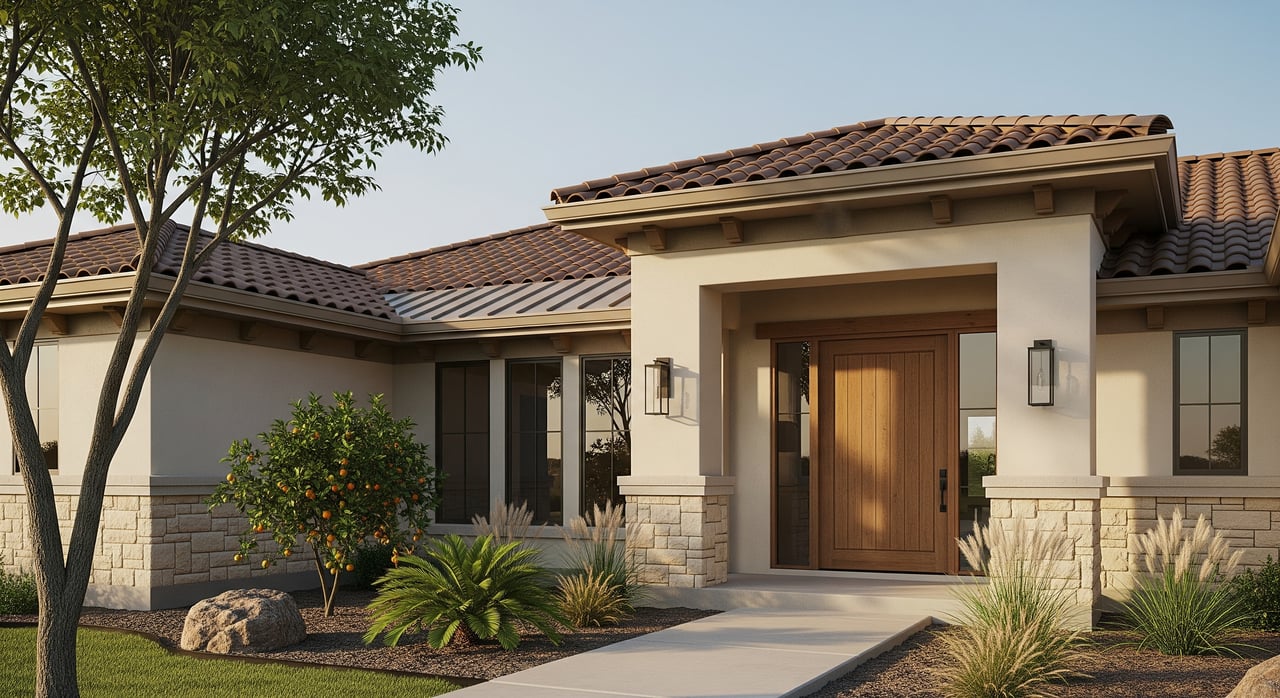
Buying a new home in Mission should feel exciting, not stressful. Still, you might wonder what happens if something goes wrong after you move in. That is where your builder warranty comes in, and knowing how it works can save you time and money.
In this guide, you will learn what a typical 1-2-10 builder warranty covers, what it does not, how to file a claim, and the best times to schedule inspections. You will also see how a local agent can help you stay on track and get problems handled. Let’s dive in.
What 1-2-10 builder warranties mean
A 1-2-10 warranty is a common new-home warranty model. It typically includes three time periods:
- Year 1: Workmanship and materials.
- Year 2: Major systems like electrical, plumbing, and HVAC.
- Years 3 to 10: Major structural defects that affect the home’s load-bearing components.
Some warranties are administered by the builder. Others are backed by third-party companies. The name “1-2-10” describes the timeframes, not the exact coverage. Always read the specific warranty packet for your home in Mission because definitions, limits, and remedies vary.
Year 1: workmanship and materials
During the first year, you can expect coverage for defects in workmanship and materials. Common items include paint, drywall, trim, interior doors and windows (operation), cabinetry, tile, flooring, and countertops. Issues often covered include nail pops, paint defects, cabinet alignment, and tile cracks due to improper installation.
Year 1 usually excludes normal wear and tear, cosmetic variations, or damage from improper maintenance. If you make modifications or use the home in a way that causes damage, that is usually excluded. Many appliances have separate manufacturer warranties, so those may be handled directly with the manufacturer.
Year 2: major systems coverage
In year two, coverage shifts to your home’s major systems. This typically includes electrical wiring, plumbing supply and drainage lines, HVAC equipment, and water heaters. If a covered component fails due to a defect, the warranty usually provides repair or replacement.
Most warranties require basic homeowner maintenance to keep coverage valid. That can include changing HVAC filters, flushing water heaters, and testing GFCI outlets. Keep your maintenance records. If a system fails and maintenance was neglected, a claim could be denied.
Years 3 to 10: structural coverage
The long-term part of the warranty focuses on major structural defects. Coverage applies to load-bearing elements that materially affect the home’s structural integrity. Examples include the foundation, floor framing, bearing walls, and roof framing.
Not every crack is considered structural. Hairline drywall cracks or common shrinkage cracks often do not meet the definition of a major structural defect. If a structural claim is approved, the remedy is usually repair rather than full replacement and may be subject to monetary caps.
Limits, exclusions, and caps
Builder warranties are not a promise of cosmetic perfection. They generally aim for reasonable workmanship standards. Many include monetary limits per claim, per component, or an overall cap. Some remedies may be prorated over time.
Common exclusions include owner misuse, lack of maintenance, normal settlement, damage from weather events, pests unless clearly included, and any issues caused by homeowner alterations. Missing a reporting deadline or failing to allow an inspection can also lead to denial.
How to file a warranty claim
Use a simple, consistent process to protect your rights and speed up repairs:
- Document the issue. Take date-stamped photos or videos, and write down when and how often it happens.
- Review your warranty packet. Find the required contact, timelines, and instructions for written notice.
- Give written notice. Email or mail your claim to the warranty contact listed. Keep copies of everything.
- Attend the inspection. The builder or administrator will schedule a visit. Be there and share your documentation.
- Review the decision. If covered, repairs get scheduled. If denied, request the decision in writing with reasons.
- Escalate if needed. Follow the warranty’s steps for appeals, mediation, or arbitration. Consult legal counsel if necessary.
Key warranty timelines to track
- Final walkthrough before closing: Create a punch list of cosmetic and operational items. Get timelines for repairs in writing.
- Month 9 to 11: Schedule an independent 11-month inspection to catch items before the 1-year coverage expires.
- Before year 2 ends: Test HVAC, plumbing, and electrical systems. Report issues in writing before the deadline.
- Years 3 to 10: Watch for signs of structural movement and notify the warranty contact right away if you suspect a major issue.
Inspections that protect your coverage
Even on a brand-new home, independent inspections are smart risk control:
- Final walkthrough: Check finishes, door and window operation, fixtures, appliances, and exterior grading. Photograph the list.
- Independent new-home inspection: A third-party inspector may find installation errors that a builder walkthrough misses.
- 11-month inspection: Homes settle over the first year. This inspection helps you claim items under year 1 before it expires.
- System checks near month 20 to 24: Test HVAC, plumbing, and electrical so you can report problems before year 2 ends.
Mission and Hidalgo County factors to watch
Local conditions can affect how your home performs over time. In the Rio Grande Valley, high heat and humidity are common. Drainage and irrigation practices can impact foundations and exterior finishes. Termite activity is a regional risk.
Pay attention to early signs of moisture intrusion, grading issues, and pests. Whether these issues are covered by your warranty depends on the contract language and whether they are considered defects or maintenance items. When in doubt, document and notify promptly.
How your agent can help you use your warranty
A hands-on local agent can help you get the most from your builder warranty in Mission. Here is how a coordinated plan typically works:
Before closing
- Schedule and attend the final walkthrough with you and the builder’s representative.
- Use a standardized punch list covering doors, windows, finishes, appliances, HVAC, plumbing fixtures, and exterior grading.
- Photograph each item and get the builder’s written acknowledgment with a repair timeline.
- Confirm you received the full warranty packet, claim contact info, and whether the warranty is builder-backed or third-party.
Right after closing
- Provide a seasonal maintenance checklist that supports warranty compliance.
- Calendar key reminders for you: the 11-month inspection, year 2 systems deadline, and the structural warranty window.
Month 9 to 11
- Recommend an independent inspector with new-construction experience and knowledge of local soils and drainage.
- Attend the inspection and help prepare a clear, written list for the builder or warranty administrator.
- If signs of foundation movement, moisture problems, or termite activity appear, help you document and notify early.
Near the 2-year mark
- Coordinate checks of HVAC, plumbing, and electrical systems and submit any issues in writing before coverage ends.
If a claim is needed
- Help you gather photos, videos, and a concise written description.
- Send written notice to the warranty contact, copying the builder and administrator when appropriate.
- Attend the inspection, keep notes, and request timelines for repairs.
- If a claim is denied, request the written reasons and help you follow the next steps set out in the warranty.
When you have a clear plan and a responsive advocate, you can focus on enjoying your home while the right people fix what needs fixing.
If you are buying or just closed on a new home in Mission, let’s build your warranty timeline and inspection plan now. Reach out to Mauricio Saldana to get started.
FAQs
What does a 1-2-10 builder warranty in Mission typically cover?
- Year 1 covers workmanship and materials, year 2 covers major systems, and years 3 to 10 cover major structural defects as defined in your warranty packet.
How do I know if a crack is a structural defect under years 3 to 10?
- Hairline drywall or small shrinkage cracks are often excluded; coverage applies to defects that affect load-bearing components and materially impact structural integrity.
What if my builder denies my warranty claim?
- Ask for a written denial with reasons, review the warranty’s dispute steps, escalate to the administrator if applicable, and consider legal counsel if needed.
Do I need an independent inspection on new construction in Mission?
- Yes, a third-party inspection at closing and again around month 9 to 11 can reveal issues and help you submit timely claims.
What maintenance do I need to keep my warranty valid?
- Perform basic tasks like HVAC filter changes and water heater maintenance, keep receipts, and follow the manufacturer and warranty guidelines.
When should I contact my agent about warranty items?
- Loop in your agent as soon as you notice an issue and again before key deadlines like the 11-month and 2-year marks so nothing slips through the cracks.